Industrial racking systems are one of the most valuable assets within any warehouse, factory or distribution centre. They’re a central part of day-to-day operations, maximising storage capacity and maintaining efficient stock rotation.
However, as with any equipment, racking still requires regular maintenance to remain safe, compliant and fit for purpose. Understanding when to maintain, repair or replace industrial racking systems is integral for businesses, protecting the welfare of staff, product quality, and overall investments.
The Value Behind Industrial Racking Inspections and Maintenance
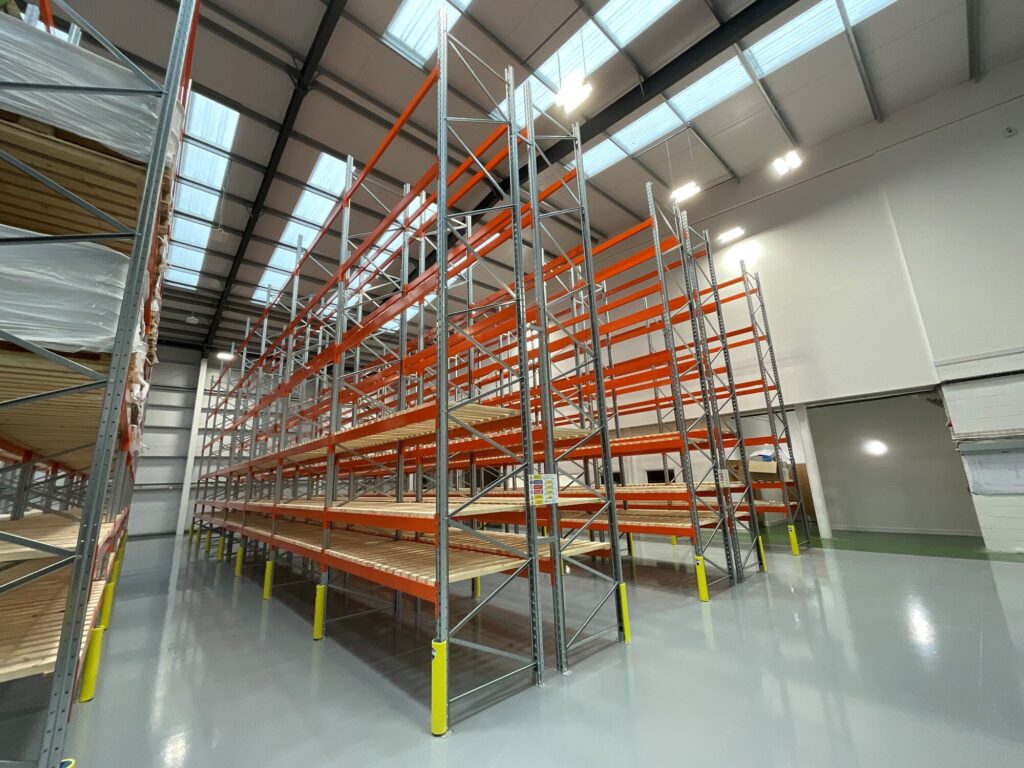
Even the highest quality racking system is subjected to frequent use, general wear and inevitable retirement. Each time a pallet is moved, stock becomes replenished, or a vehicle manoeuvres the aisles, it places stress on the structure. This can eventually lead to damaged components, loose fixtures and a compromised structure if left unresolved, and damage prevention is often far more cost-effective than a full replacement.
According to PUWER 1998, industrial racking is legally required to remain in safe working condition, be maintained, and inspected regularly. HSE guidance recommends a thorough inspection at least every 12 months by a technically competent individual, with monthly and daily visual checks in between to deliver preventative maintenance and form part of a comprehensive warehouse management strategy.
Professional inspection services provide a detailed assessment of each racking unit, following a traffic light system of severity. They can identify damaged areas, missing parts and unsafe practices, accompanied by relevant documentation and health and safety records.
Common causes of racking damage
Warehouse environments are fast-paced workplaces where accidental damage can occasionally be unavoidable. Some of the most common cases include:
- Forklift collisions with uprights or end frames
- Overloaded beams exceeding their design capacity
- Incorrect pallet placement
- Missing safety pins or locking clips
- Damaged floor fixings or anchors
- Corrosion in damp or challenging environments
- Poor loading practices by warehouse operatives
Even minor damage must not go ignored, as small defects can still affect the entire system and increase the likelihood of total structural failure.
When Can Industrial Racking be Repaired?
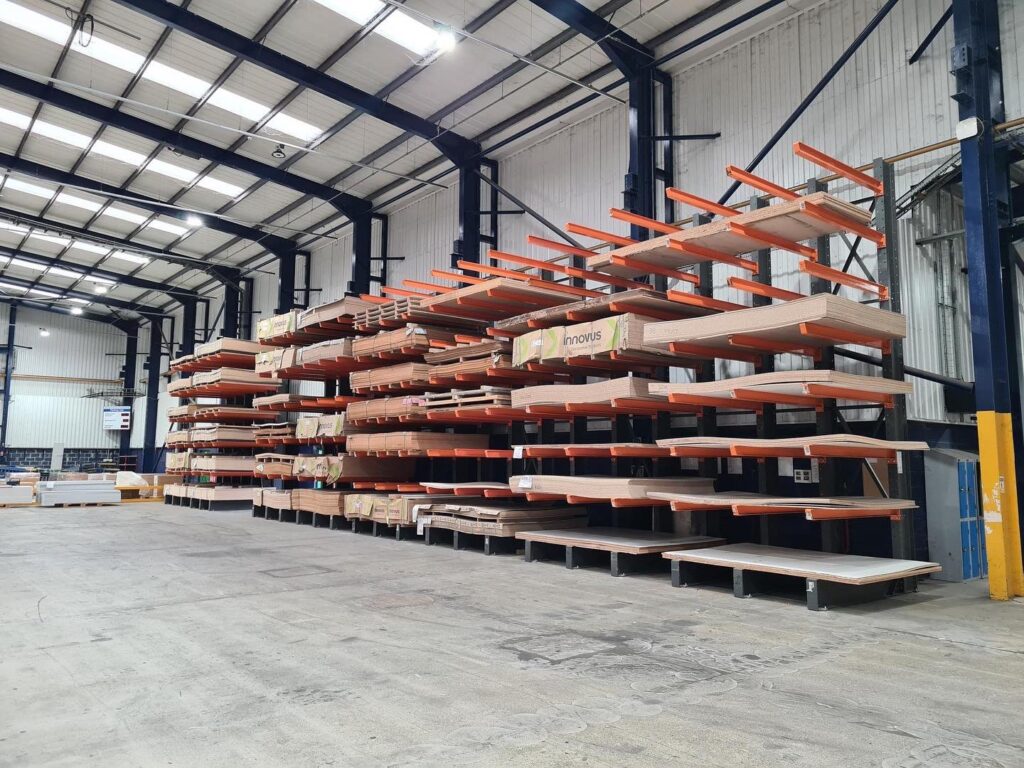
A damaged racking system does not automatically result in a replacement. In many situations, individual components can be repaired safely or replaced without affecting the entire structure. Common repairs include:
- Damaged uprights
- Bent beams
- Base plates
- Bracing components
- Safety locking pins
- Floor anchors
- Protective barriers
Repairs must be completed using compatible and approved components that meet the original manufacturer’s specifications. Temporary fixes should never be implemented, as it jeopardises the system as a whole.
When Should Industrial Racking be Replaced?
In certain situations, replacing sections or the entire unit can be the most viable option. Replacement may be necessary when:
- Structural damage is too severe for repair
- Multiple components have been compromised
- The existing system no longer meets operational requirements
- Warehouse layouts have changed significantly
- Storage capacity needs to increase
- Older racking is no longer compatible with available replacement parts
Upgrading outdated or damaged racking also provides an opportunity to improve warehouse efficiency through better aisle layouts, increased storage density, and greater accessibility.
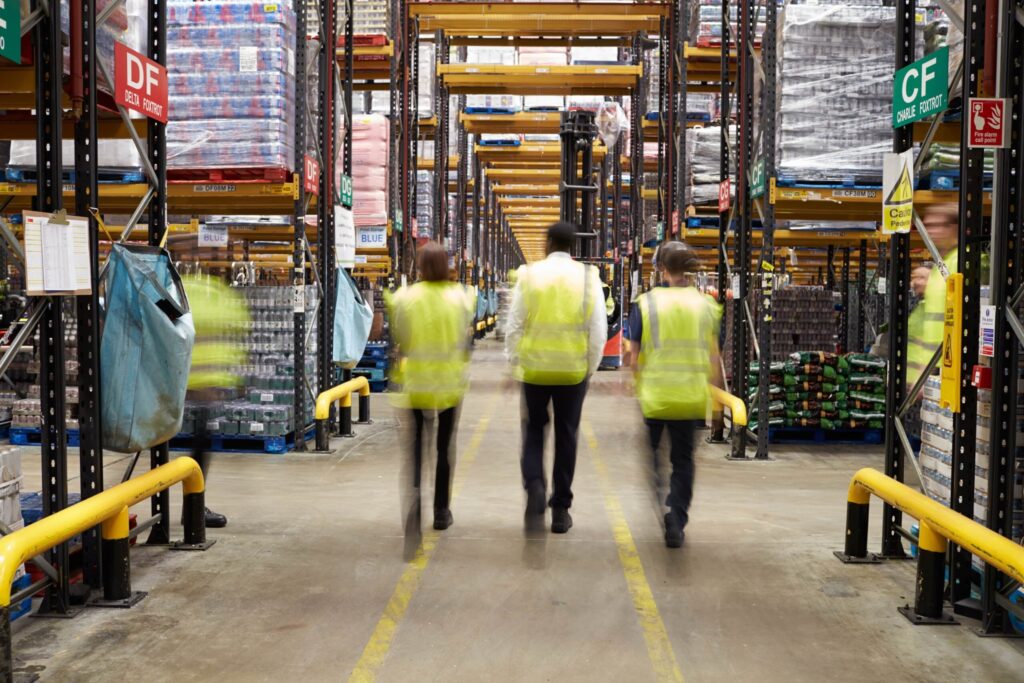
Professional Racking Inspections by Prodek
Alongside quality and competent racking installation of warehouse equipment, Prodek undertakes thorough racking inspections to keep your business compliant and running at all times. Following a traffic light system, we document any potential issues, how to resolve them, and support your business throughout the process, with minimal disruption to operations.
If you need guidance on industrial racking solutions, including regular inspections, get in touch with a member of our team today.