Quick Links
Industrial storage systems are instrumental to a warehouse’s daily operation. From pallet racks and cantilever systems to shelving and mezzanine floors, racking is a core component for industries across the country. However, with these systems comes stringent health and safety compliance.
Across the UK and Europe, standards such as BS EN 15635 are put in place to encourage safe storage within these environments. This helps to provide clear guidelines on how to use and maintain racking systems, ensuring each business always remains safe.
What is BS EN 15635?
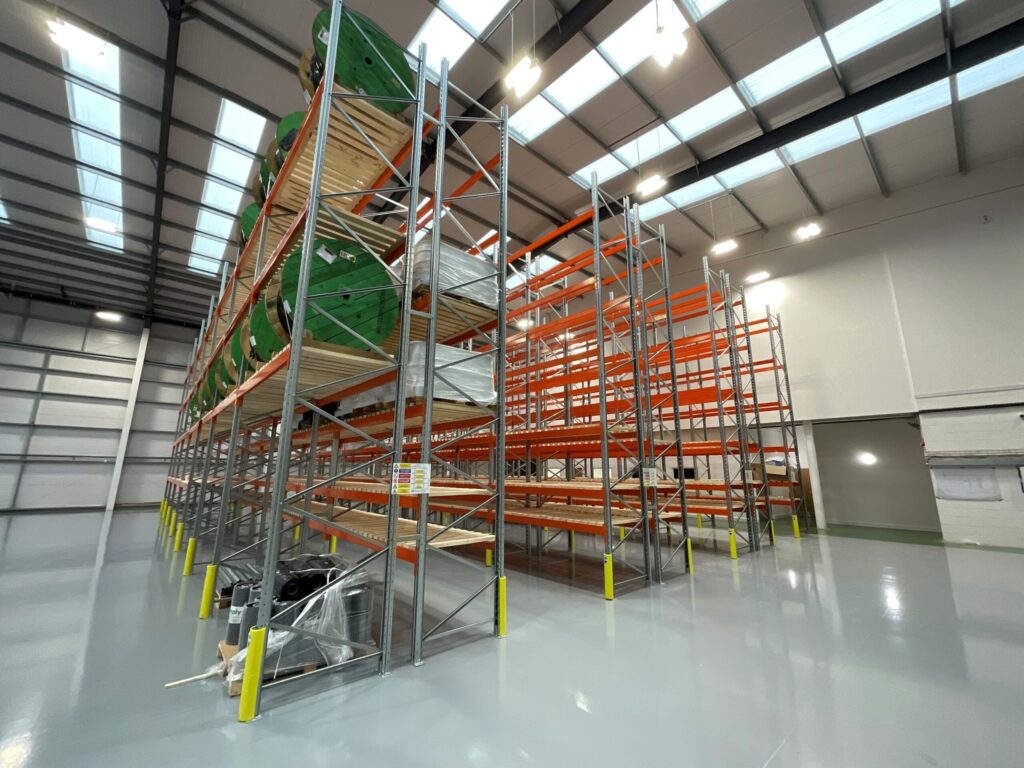
BS EN 15635 is a European standard that details recommendations on the use, maintenance and inspection of racking equipment. It does not focus on how a system is designed to be safe, but rather how it’s used after installation.
This standard is applied to all diverse types of racking and storage facilities within the warehouse, making sure safety is prevalent throughout daily operations. This is established by integrating routine checks, documenting inspections, identifying issues when found, and taking proactive action to eliminate hazards.
Why is the BS EN 15635 Important?
Large, industrial racking systems are designed and manufactured to carry heavy loads over extended periods of time. To remain at optimal performance, they must be used correctly and within their parameters. Damaged uprights, incorrect loading, unauthorised modifications and poor standards can compromise structural integrity, which puts staff and stored goods at risk.
BS EN 15635 provide a clear framework for recognising and managing potential hazards, ensuring workplace infrastructure remains reliable. In addition, adhering to safety regulations makes sure your business remains compliant, displaying best practices during inspections and audits.
Areas Covered by the BS EN 15635
Inspection Procedures
As detailed in the standard, it outlines how often and when racking inspections should occur. This includes daily visual checks by staff within the facility, followed by routine inspections on a monthly and annual basis. Yearly inspections are mandatory by HSE and should be completed by a SEMA Approved Racking Inspector (SARI). Issues to look for include distorted frames, bent beams, loose bolts and impact damage.
User Responsibilities
Safe racking use should be thorough within the workplace, with regular training offered to all staff members and managers. BS EN 15635 emphasises that operators and supervisors must understand load limits, correct loading patterns, and report damage immediately.
Record Keeping
Maintaining records and documentation is a necessary procedure, helping to support audits and reflect the business’s approach to health and safety. By having a paper trail to identify issues and actions taken, it allows for problems to be rectified quickly while also taking accountability.
Common Identified Issues During Inspections
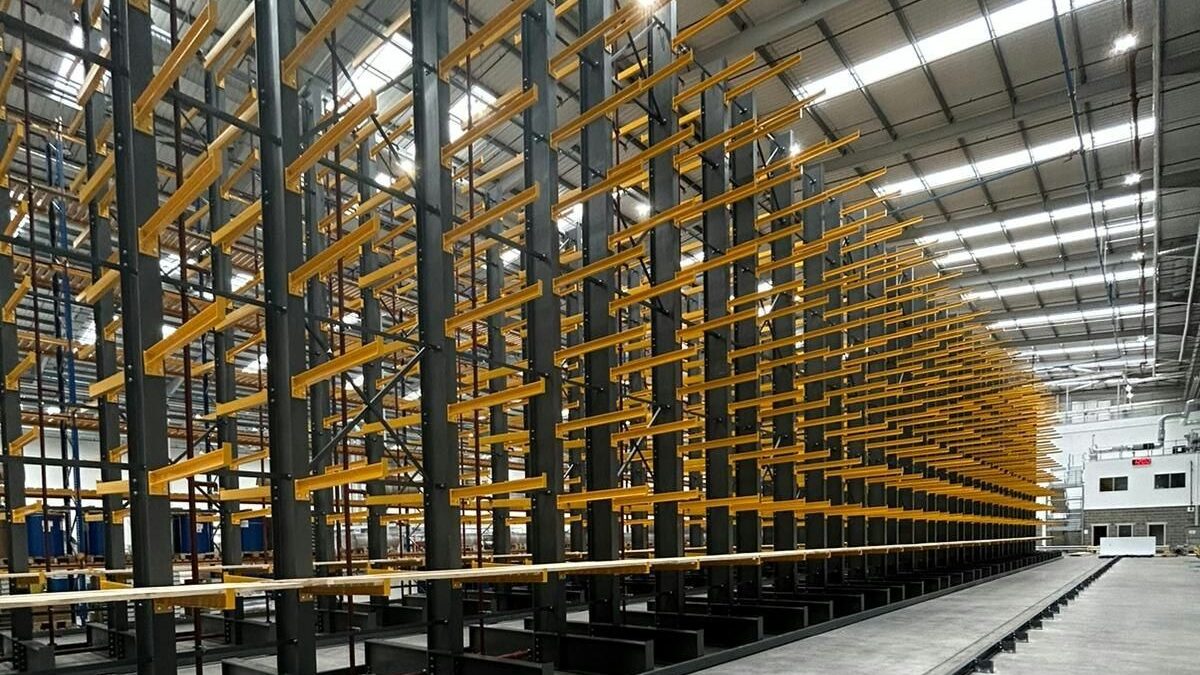
When conducting daily and monthly inspections, it’s important to know what to look for. The BS EN 15635 highlights notable issues, such as:
Impact Damage
Forklift collisions can weaken structural components.
Loose or Missing Components
Bolts, beam locks and connectors can loosen over time.
Overloading
Storing loads that exceed Safe Working Loads increases stress on beams.
Incorrect Loading
Following wrong load patterns can cause frames to be unbalanced and reduce stability.
Corrosion and Wear
Warehouse environments that are subject to moisture or chemicals can accelerate deterioration.
The Benefits of Implementing BS EN 15635
There are several practical advantages when adopting the standard, which include:
Improved Safety
Regular checks ensure that hazards are identified and managed properly.
Reduced Downtime
Early detection of issues minimises the risk of unexpected failures that could disrupt operations.
Extended Lifespan
A well-maintained racking system will typically perform better for longer periods of time.
Regulatory Compliance
Integrating a widely recognised standard in the workplace demonstrates compliance with health and safety regulations.
Cost-Effective
Completing daily inspections and ensuring staff remain trained helps to improve productivity and reduce downtime, which increases expenditure over time.
Which Racking Systems Does BS EN 15635 Apply?
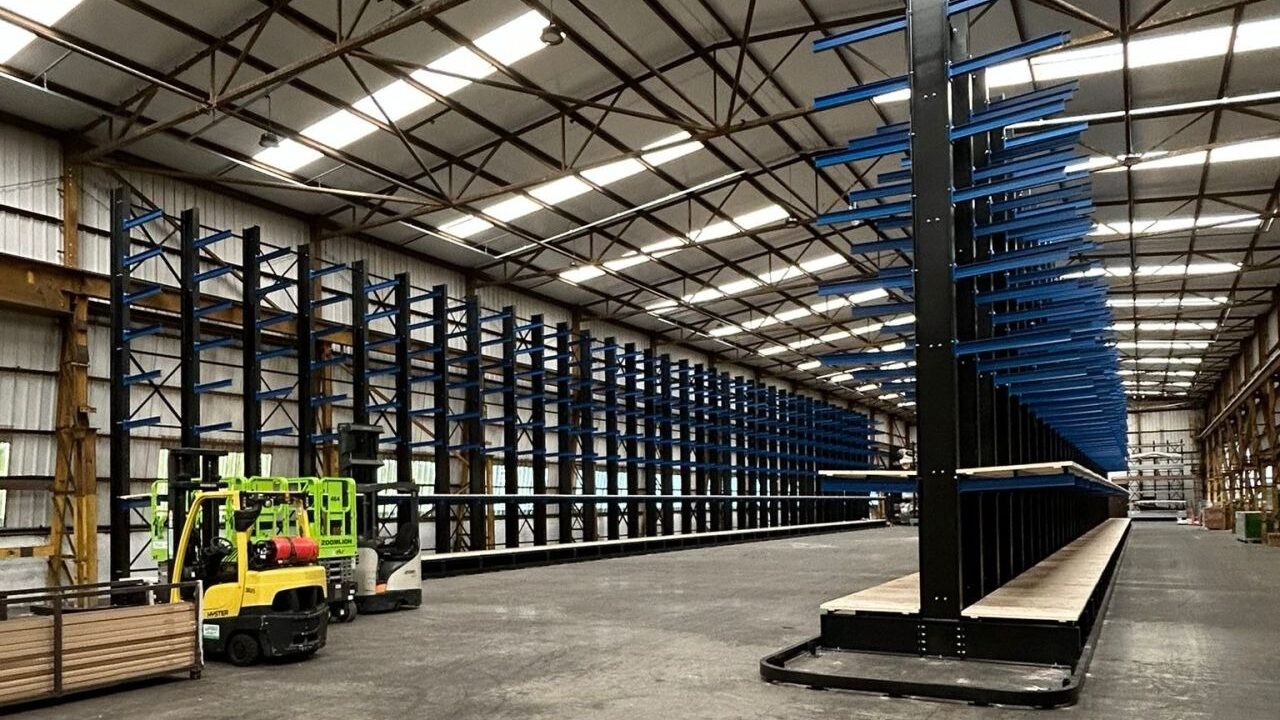
The standard applies to any steel storage system, with many commonly found in warehouses, distribution centres, logistics, and yards. Frequent units include:
- Adjustable Pallet Racking
- Narrow Aisle (VNA)
- Cantilever Racking
- Drive-In Racking
- Live Storage Systems LIFO/FIFO
- Mobile Pallet Racking
- Shelving Systems
- Multi-Tier Racking
Remain Health and Safety Compliant with Prodek
At Prodek, health and safety are our highest level of priority when designing and installing racking storage units. We ensure our staff are SEMA-accredited inspectors and offer professional routine inspections and maintenance services, keeping your business operational.
We provide a wide range of racking systems, shelving storage, mezzanine floors, and fit-outs, and we know what it takes to create safe solutions in the workplace. If you want to achieve BS EN 15635 standards, then get in touch with a member of the Prodek team today.