Quick Links
There are many aspects that go into planning a logistics warehouse, and your choice of flooring is another major component. However, for some facilities, this can become an oversight in favour of cheaper labour and tighter deadlines, leading to detrimental problems.
Warehouse flooring is instrumental to overall safety, long-term performance, and increasing the lifespan of racking systems. Poor flooring can cause uneven loads, damaged uprights, and inevitable operational delays while these issues are addressed. This guide helps businesses explore the distinct types of floors found in warehouses and the ramifications of a failing floor for logistic operations.
Why Good Flooring is Important for Racking Systems
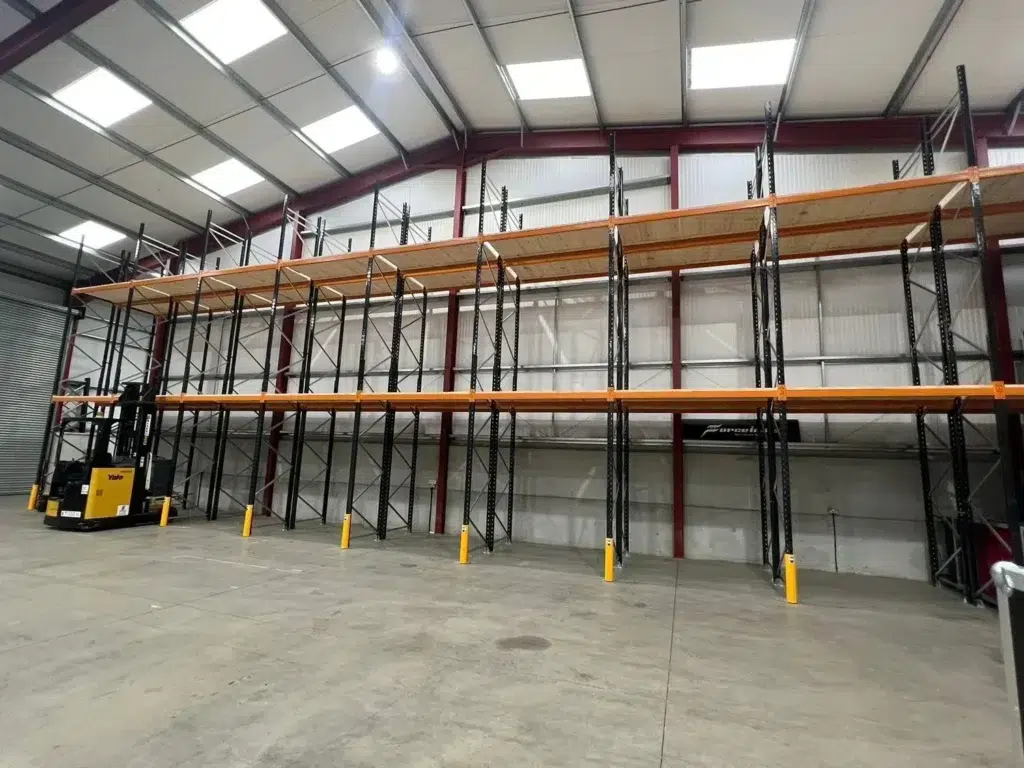
Racking systems transfer significant weight loads directly to the ground through their base plates and dynamic movement. If the surface cannot handle these direct loads, then structural problems can quickly develop. This includes:
- Settlement and cracking under point loads
- Misalignment of racking frames
- Reduced load capacity due to instability
- Increased wear on forklifts and handling equipment
A level and durable floor ensures that equipment such as pallet racking, cantilever systems, and mezzanine structures can perform as designed. It also supports accurate installation, which is essential for meeting safety standards.
How Performance is Measured in Flooring
Before choosing a flooring type, it is necessary to assess individual operational needs, especially in busy logistics environments. A warehouse floor should meet the following criteria, which directly influence how well a racking system will perform in the foreseeable future.
- Load-bearing capacity to support static and dynamic loads
- Flatness and level flooring for safe racking installation and forklift operation
- Durability to resist wear from traffic and equipment
- Joint integrity to prevent movement and cracking
- Ease of maintenance to minimise downtime
Common Warehouse Logistics Flooring Options
Concrete
Warehouse concrete flooring is one of the most widely used flooring solutions in logistics operations and is compatible with most storage systems, offering strength, versatility, and cost efficiency. It’s popular for its high-load capacity, which is suitable for heavy racking units, guaranteeing a long lifespan when correctly installed.
Concrete requires precise design in order to meet flatness standards, such as FM2 or FM3 specifications. Poor installation can quickly lead to cracking and uneven surfaces, and may eventually need reinforcements depending on the load requirements. For high-bay racking and narrow aisle systems, a high tensile strength concrete slab is essential.
Polished Concrete
Polished concrete builds upon a standard concrete slab by providing additional surface performance and aesthetics. The smooth finish helps to reduce dust and improve cleanliness, ideal for environments that handle food and pharmaceutical products. It also benefits from enhanced durability and resistance to abrasion, requiring lower maintenance overall compared to untreated concrete.
This flooring type often comes with higher upfront costs and requires specialist installation. Although it works well in warehouses where sanitisation and appearance are of importance, it is not always the best choice for heavy-duty racking.
Epoxy Flooring
Epoxy resin floors are applied over a concrete base to improve surface properties, making the floor resistant to chemicals, oils, and spills. The finish is slip-resistant and much easier to keep clean, including the added advantage of including pedestrian walkway lines directly into the coating. Warehouse resin flooring helps prevent concrete from being exposed to long-term wear in high-traffic zones, while still supporting a wide range of racking systems and forklift use.
Polyurethane Flooring
A polyurethane floor is a high-performance surface coating that is designed for demanding logistics environments. It is particularly well-suited to warehouses that experience temperature fluctuations or require additional durability, making them perfect for outdoor and cold storage zones.
Polyurethane is typically applied over a concrete base and offers greater flexibility than standard resin floors, reducing the risk of cracking under stress. While installation costs can be higher, the long-term benefits often outweigh this, supporting heavy-duty racking systems and forklift use with ease.
Industrial Screed
Screed is used as a topper to level or strengthen an existing floor, such as concrete. This helps to improve flatness for proper racking installation, therefore improving load capacity when combined with a reinforcement like screed.
Screed is not always a standalone solution for heavy loads and requires proper bonding to avoid failure. It’s mostly used when upgrading older facilities to accommodate modern racking systems.
Mezzanine Flooring Systems
Mezzanine floors are an elevated flooring system that adds additional space, and although not a permanent structure, they must be robust and reliable in order to hold racking and storage units.
A mezzanine system depends on the strength and condition of the existing floor, so a careful assessment of the weight load and structural design is imperative. When installed correctly, they create additional storage or workspaces and can be customised to suit operational needs.
Matching Flooring Types to the Racking System
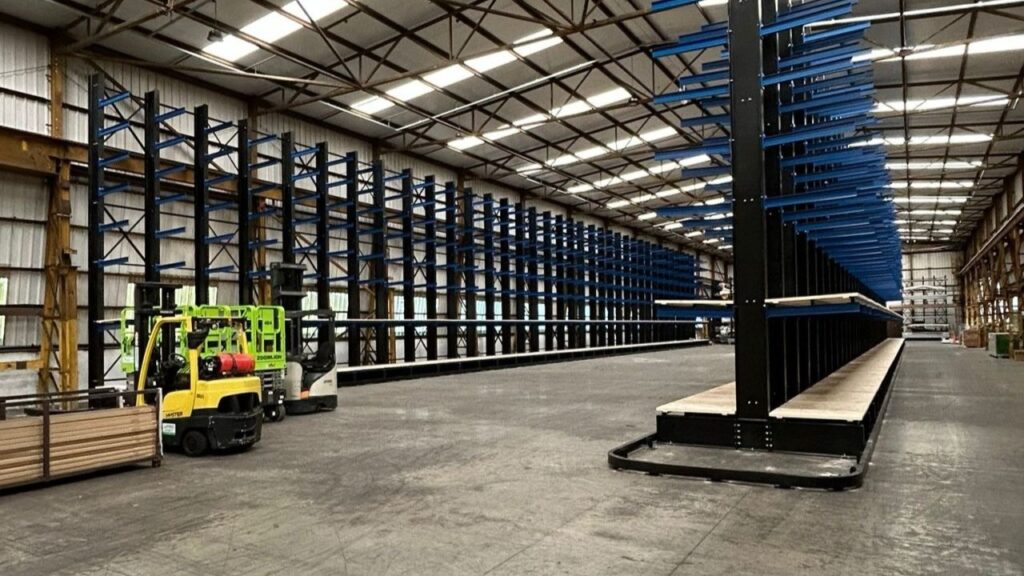
Different racking types place various demands on floors. For example, pallet racking relies on consistent load distribution and strong anchoring points, whereas narrow aisle racking requires very tight floor tolerances for safe forklift operation. Drive-in racking introduces repeated impact and concentrated loads, and cantilever racking can create uneven load patterns depending on stored materials. Selecting the right flooring ensures that each system operates safely and efficiently.
Installation and Compliance for Warehouse Logistics
Flooring and racking installation should be planned together with a reliable racking supplier. Early collaboration allows for accurate load calculations, correct specification of slab thickness and reinforcement, as well as proper positioning of joints to avoid interference with racking bases.
Compliance with industry standards is also essential, which includes guidelines for flatness, load capacity, and anchoring. Failing to meet these requirements can lead to costly adjustments later down the line.
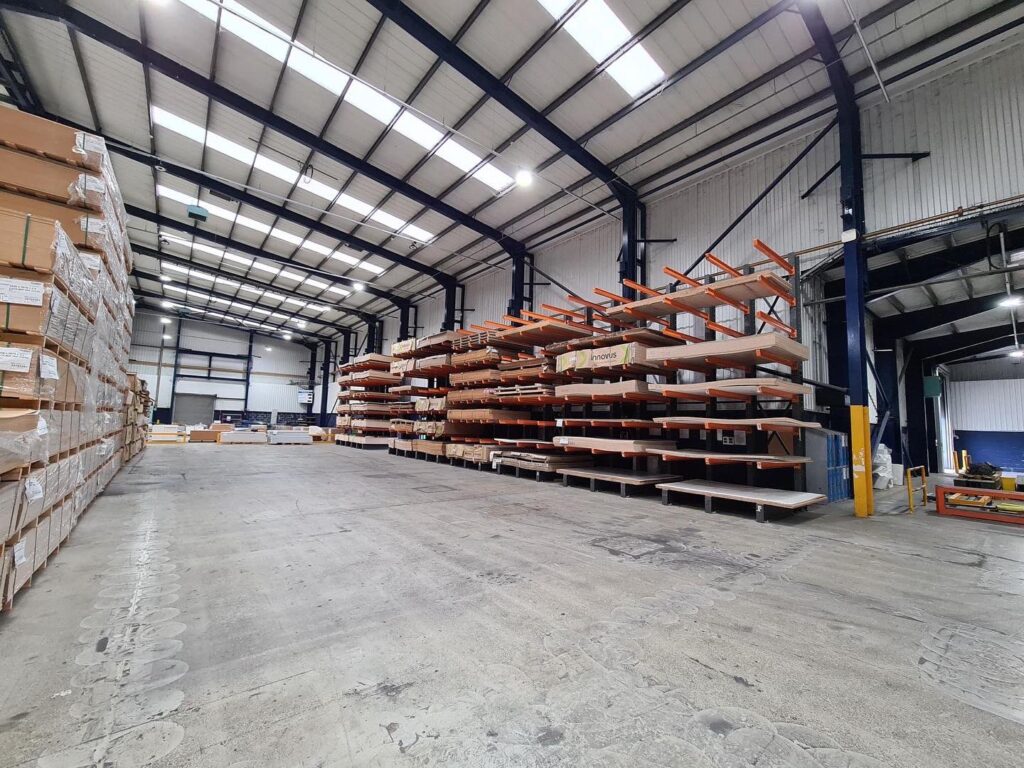
Seamless Logistics Operations with Prodek Racking and Storage
At Prodek, we understand that flooring is the very foundation of functionality of all warehouse operations, which is why we want to help you get it right from the first time. We provide a full turnkey approach to all our services, from mezzanine floors, storage racking, shelving systems, fit-outs, and more, including detailed audits of your site.
To discuss your flooring and racking needs today, get in touch with an experienced member of our team.