Archive storage is essential to ensuring the hard work of conservators and archivists is protected and accessible for the long term. Digitisation of archive materials has been ongoing since the 1960’s using microfilm which, over the past 15 years has been replaced by digital archiving. For compliance, regulatory, or legal reasons, many organisations are required to keep hard copies of records within a secure archive storage facility.
When selecting an archive storage solution, it is important to consider cost, security, durability, and accessibility to make sure compliance and operational needs are met. Our guide to archive storage can help you determine the best solution for your business and whether archive shelving is the right choice for you.

What Is Archive Storage?
Archive storage is a way to keep data safe and accessible for the long term. It is different from other types of storage because it is designed for data that is not accessed frequently. Instead, it is used to store items that must be retained for historic, cultural, compliance, regulatory, or legal reasons. Archive storage is a convenient, space-saving, and cost-effective way to keep important data and records organised and easily accessible when needed.
Caring for Archives
There are different types of archive storage to provide users with the ability to store data, records, and collections in a variety of formats, depending on the nature of the record, physical condition, storage requirements, and best practice.
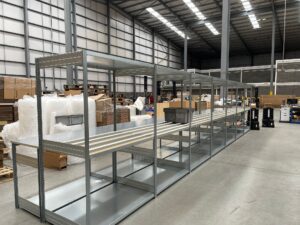
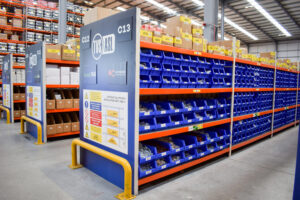
Different types of archive storage offer varying levels of durability, cost efficiency, and scalability. The most common method to store archive materials and records is with specialist archive shelving which is used across several sectors including healthcare, legal, arts, and public services. Each sector adheres to different archiving practices for the long term storage of records and data.

Top 10 Industries Using Archive Storage
Archive shelving is used for archiving both physical materials and digital data backup files. For example, it is used in the medical field to store patient data and medical records. However, other industries that use archive storage solutions include government, finance, media, and entertainment.
1. Healthcare: Healthcare organisations use archive storage to store and manage vast amounts of patient data over long periods of time. This includes medical records, billing documents, images, lab results, and other patient records.
2. Financial Services: Archive storage is often used by financial services organisations to store customer data and documents for compliance purposes. This includes customer account information, financial statements, and other documents.
3. Media and Entertainment: Archive storage is used by media and entertainment companies to store large amounts of digital media, such as movies, television shows, and music. These media files are often stored for long periods of time and are accessed on demand.
4. Legal Services: Legal services organisations use archive storage to store and manage large volumes of legal documents. This includes contracts, briefs, court orders, and other legal documents that must be retained for long periods of time.
5. Government: Government agencies use archive storage to store and manage large amounts of data for long periods of time. This includes documents such as census data, population records, and other records that must be retained for compliance purposes.
6. Manufacturing: Manufacturing companies use archive storage to store and manage large amounts of product information and documents such as product specifications, safety documents, and other records that must be retained for long periods of time.
7. Retail: Retail companies use archive storage to store and manage customer data, product data, and other documents. This includes customer orders, product catalogues, and other records that must be retained for long periods of time.
8. Education: Educational institutions use archive storage to store and manage large amounts of student data and documents. This includes student records, transcripts, and other documents that must be retained for long periods of time.
9. Oil and Gas: Oil and gas companies use archive storage to store and manage large amounts of data and documents related to exploration, production, and operations. This includes geological data, maps, and other records that must be retained for long periods of time.
10. Telecommunications: Telecommunications companies use archive storage to store and manage large amounts of customer data and documents. This includes customer account information, billing documents, and other documents that must be retained for long periods of time.
Benefits of Archive Storage
Archive storage offers several advantages over other types of storage. It can help businesses to save money, work more efficiently, and make access safer and simpler.
Cost savings – Archival storage is typically less expensive than primary or secondary storage.
Security – Archive storage is usually more secure than other types of storage, as it is designed to protect data from damage or corruption.
Accessibility – Archive storage is designed to make it easy to access files when they are needed, while still providing protection from unauthorised access.
Durability – Archive storage is designed to last for many years, making it ideal for long term storage of delicate materials and vital information.

Choosing the Right Archive Storage
The right type of archive storage can help to save valuable space in offices or storage facilities. However, it might not be the best choice for every organisation. Think about what you need and how much you have to spend before choosing an archive storage solution. Make sure the solution has the features and flexibility your business needs.
When choosing an archive storage solution, there are several factors to consider, such as:
1. Identify specific needs
The first step to choosing the right archive storage solution for your business is to identify your specific needs. Think about what type of material you need to store, how often you will need to access it, and what kind of security measures you need. Make sure to think about the long term needs of your business so you can choose the right solution now and in the future.
2. Research solutions
Once you have identified your needs, you can start researching the different types of archive storage solutions that are available. Consider their features, pricing, and customer reviews to get a better understanding of which solutions may be best for your business.
3. Consider scalability
When choosing an archive storage solution, make sure to consider scalability. Think about how much storage space you need now and how much you may need in the future. This will help you determine if a particular solution will be able to meet your future needs.
4. Understand the pricing structure
Different archive storage solutions offer different pricing structures depending on scale and security requirements. Make sure to understand the details of each pricing structure so you can make an informed decision. Consider both the upfront costs and the ongoing costs of a particular solution to ensure you are getting the most value for your money.
5. Consider customer support
Finally, make sure to consider customer support when choosing an archive storage solution. You want to make sure that you have access to knowledgeable and helpful customer support in case you have any questions or issues with the solution.
Prodek Archive Shelving
At Prodek, we offer a full range of services for archive storage, including design, installation, and any necessary finishing, plumbing, and heating.
We have a wide variety of services when it comes to storage, which means you can get what you need faster and with less hassle. We can also help with building regulations applications if necessary.