Quick Links
Key Takeaways
- Automation is reshaping warehouse storage design, enabling businesses to optimise vertical space, reduce reliance on manual processes, and increase overall efficiency.
- Modern racking systems are evolving to integrate with AI, sensors, and automated vehicles, allowing for compact, high-throughput, and scalable layouts.
- Safety and ergonomics remain critical, requiring careful planning to ensure both human workers and automated systems can operate safely and effectively side by side.
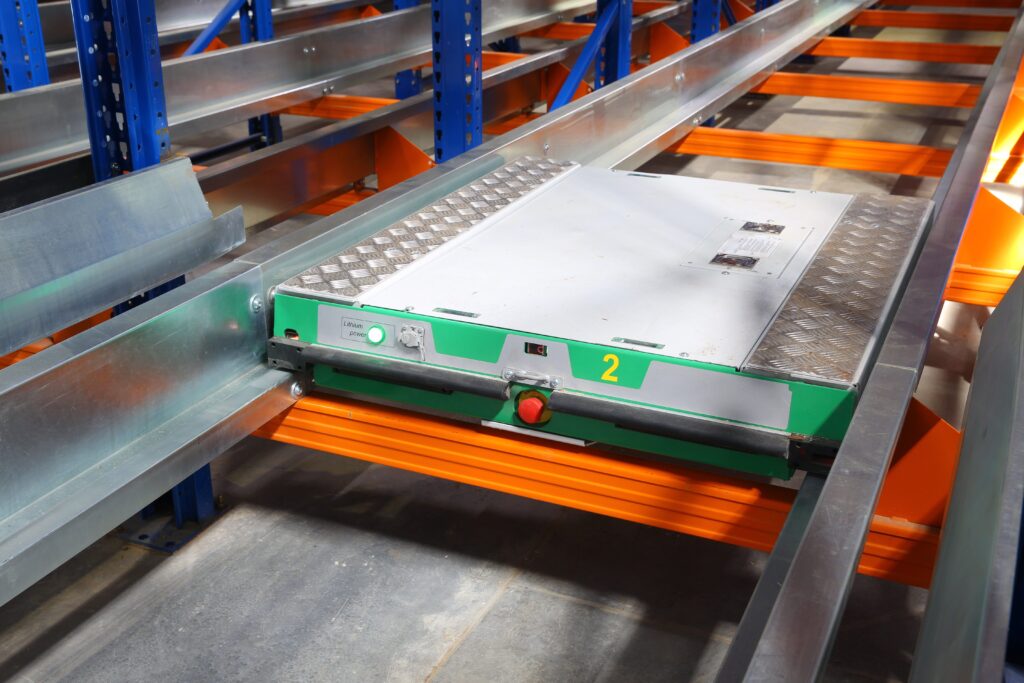
As technology continuously evolves, the reality of automation becoming commonplace in commercial and industrial sectors is paramount. Warehouses today are being reshaped to factor in this latest integration, whether it’s automated storage and retrieval systems (AS/RS) or AI management software; its role is slowly altering how businesses prepare and implement internal processes. Within the UK, understanding how automation affects storage design across logistics is essential to achieving greater efficiency and revenue.
The Rise of Automation in Warehouses
Automation has been prevalent within varying sectors for a number of years, yet as technology becomes cheaper, adaptable, and readily available, it has seen an even bigger surge. This growth in automation investment has quickly stemmed from the need for agile and consistent solutions, with e-commerce sectors soaring and demand increasing, the role of automation is expected to keep rising.
Not only does automation help to increase downstream efficiency, but it also assists in reducing costs, therefore remaining competitive in the market. Due to this trend, storage systems within logistics are changing in the way they’re designed. Traditional warehouse racking and storage systems are now becoming integrated with automated technology to offer enhanced functionality and fulfilment.

How Automation is Transforming Logistics
Maximising Vertical Space
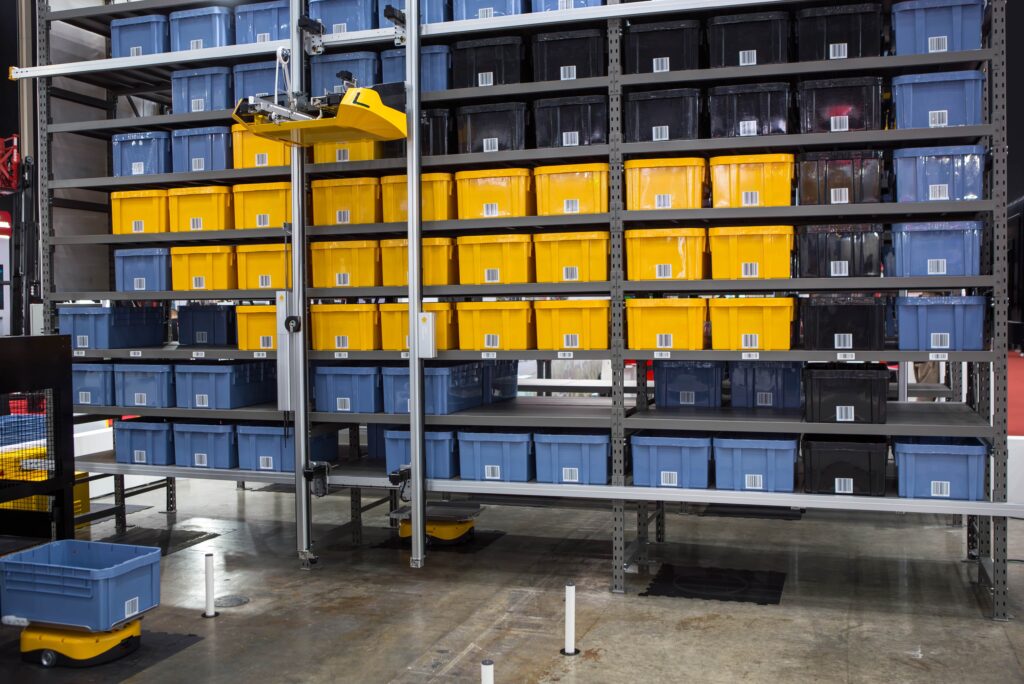
Automated cranes and robotic shuttles allow warehouses to take advantage of vertical space, ensuring stock can be safely retrieved beyond the limitations of manual picking. Storage systems are being designed to be taller, deeper, and even more compact due to this, which can expand vertical storage capacity by up to 20 metres or more when combined with an AS/RS system.
Refined Layouts
Traditional warehouse racking systems are designed to consider how manual or forklift picking can be accommodated, ensuring they maintain accessibility. In modern automated storage systems, racking can be integrated with warehouse management systems such as sensors, AI software, and barcodes to automate shuttle systems or guided vehicles (AGVs) for retrieving specific stock. This assists warehouses with condensing floorplan layouts and reducing the reliance on bulky forklifts and wide aisles, while still performing in high-throughput sectors.
Safety and Ergonomics
While robotics and automation streamline efficiency and reduce the risk of accidents associated with manual handling, they bring forth additional safety considerations. Racking and storage units must now be designed with factors in mind regarding how they handle high-speed automated systems, work within tolerances, and navigate robotics. A minor misalignment can affect how automated systems perform, so it’s imperative to understand how to handle these challenges if they arise. Additionally, safety for human welfare is essential, with designated safety zones, routine training, and pedestrian walkways being adopted.
Scalability and Flexibility
Warehouse racking systems are often designed to be modular, so when combined with automated technology, there’s a greater scope of scalability. This allows businesses to slowly expand over time, eventually deploying varying automated technologies throughout a warehouse. To accommodate this, racking systems must be designed to be flexible, with adjustable beams and the ability to be compatible with automated equipment. SMEs that invest in versatile racking units can future-proof their business, knowing it has the capacity to grow alongside them.
Sustainability and Energy Efficiency
Automated systems are known to reduce extensive energy consumption by optimising routes for stock picking, providing reliable consistency, and reducing any unnecessary processes. Storage design can complement this by facilitating additional features such as energy-efficient lighting in deep and high racking systems, or by storing stock that offers efficient routes and reduced heating or cooling requirements. Sustainability is becoming a priority across the UK, with legislation placing pressure on businesses to meet eco-conscious requirements.
The Human Element of Automation
Oftentimes, there’s concern around how automation affects individual roles. However, there has been a noticeable shift within sectors such as logistics, with workers moving into roles that require system management, robotics, quality control, and so forth. Storage design should therefore be focused on accommodating hybrid operations, ensuring human-centric and automated procedures can work in tandem. This also requires an in-depth understanding of ergonomics, safety, and how staff can retain ease of access.
What Will the Future of Warehouses Look Like?
Automated technology is becoming the new standard within warehouses and is showcasing great potential to grow. With this development, warehouses will become incredibly efficient and data-driven environments, expanding into a larger ecosystem when combined with adaptable racking and storage systems.
By investing in future-ready racking and storage units, businesses across the country can factor in scalability, safety, and performance, while positioning themselves as leaders within a competitive market.
Explore Modular Racking and Storage Units by Prodek
At Prodek, we have over 30 years of expertise designing, installing and maintaining high-grade, compliance-approved racking and storage units. From the initial site audit to routine inspections by our SEMA-accredited inspectors, our team is dedicated to delivering efficient, robust, and versatile solutions.
We provide a vast range of modular units from heavy-duty racking to mezzanine floors, offering incredible vertical and compact designs that are made to fit your premises and any specialised equipment. To discover more about how to future-proof your business, or simply wish to discover how to achieve incredible downstream efficiency, get in touch with our team today.