Here at Prodek, our 30+ years of warehouse racking experience informs all that we do, and as informed specialists, we understand more than most how vital effective inventory management is for businesses dealing with large volumes of goods in a warehouse setting.
Warehouse racking systems play a crucial role in organising and optimising inventory storage. Two commonly used strategies for inventory management are FIFO and LIFO; each with its own unique benefits, it’s important to consider certain factors when selecting the right strategy for your business inventory management system.

Understanding LIFO
LIFO is an inventory management strategy where the most recently received items are the first ones to be picked or shipped. This approach is commonly used in industries where products have a limited shelf life, and are stored in a way that allows the last received items to be easily accessible for fulfilment purposes. This approach is commonly used in industries offering products such as perishable goods, electronics, and fashion.
Advantages of LIFO:
Some of advantages of Last-In First-Out warehouse management include…
Reduced obsolescence risk:
By prioritising the most recently received items, this management system minimises the chances of older products becoming obsolete or outdated before being sold.
Lower handling costs:
LIFO systems facilitate quicker turnover of inventory as the newest items are placed in front, reducing the time and effort required to access and retrieve products.
Disadvantages of LIFO:
Although Last-In First-Out systems come with their own unique benefits, there are some disadvantages that should also be considered, some of which include…
Reduced stock rotation:
Since the older inventory is pushed back, this management system can lead to reduced stock rotation, which may result in holding costs and increased risk of expired or damaged goods.
Increased complexity:
Implementing this system requires meticulous tracking and record-keeping to ensure accurate inventory valuation and accounting.

Understanding FIFO
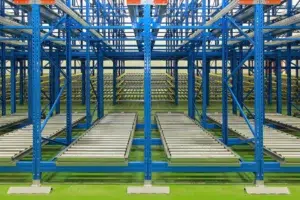
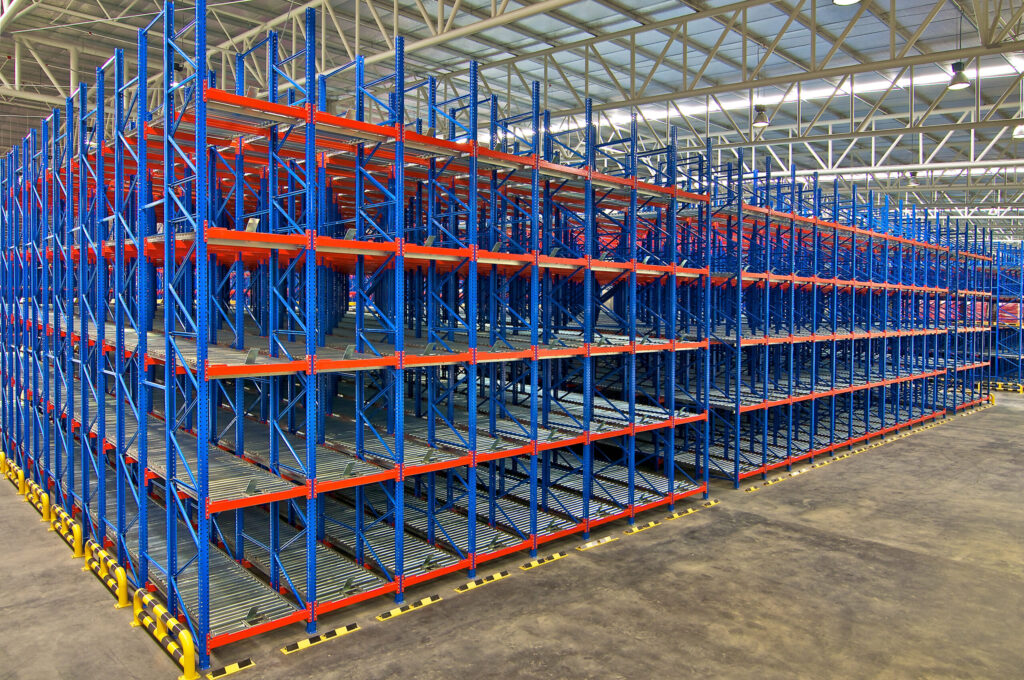
FIFO, also known as Live Pallet Racking, is an inventory management strategy where the first items received are the first ones to be picked or shipped. In this system, goods are arranged in a way that ensures older inventory is used or sold first. This approach is commonly used in industries where product expiration or deterioration is a concern and maintaining product quality is crucial.
Advantages of FIFO:
There are a plethora of advantages of a First-In First-Out warehouse management system, some of which include…
Improved inventory turnover:
FIFO ensures older inventory is used before it becomes obsolete or outdated, minimising holding costs and reducing the risk of inventory write-offs.
Enhanced product quality:
By consuming or selling older inventory first, this system helps maintain product freshness and quality, particularly in industries dealing with perishable goods or products with limited shelf life.
Accurate inventory valuation:
This method of management provides a better representation of the actual cost of goods sold and the value of remaining inventory, making financial statements more accurate.
Disadvantages of FIFO:
Although these systems host a range of beneficial attributes, they also come with their own challenges…
Higher obsolescence risk:
While FIFO minimises the risk of product obsolescence during storage, it can result in older products being sold at a lower price due to price fluctuations or changing market conditions.
Potential tax implications:
First-In First-Out accounting may result in higher taxable income due to inventory valuation at lower, older costs. This can impact taxes and profit margins, particularly if inventory costs increase over time.
Factors to Consider for LIFO and FIFO Strategies
To ensure your organisation adopts the correct warehouse management strategy, it’s important to consider the following factors for both FIFO and LIFO methods…
Nature of products:
Consider whether the products have limited shelf life, are prone to obsolescence, or require careful management to maintain quality.
Cost considerations:
Evaluate the impact of obsolescence risk, holding costs, and potential tax implications associated with each strategy.
Industry requirements:
Different industries have varying demands, so understanding specific industry requirements can help determine the most suitable strategy.
FIFO and LIFO Systems by Prodek
Choosing the right strategy for your warehouse racking system is crucial for efficient inventory management. FIFO and LIFO are two popular approaches, each with its own benefits and considerations.
Here at Prodek, we can help assess the nature of your business, taking into account your products, cost implications, and industry requirements to help you make an informed decision, ultimately optimising your inventory management and positively impacting your business’s overall performance.
For effective LIFO and FIFO Management Systems, Contact the Experts
Our dedicated team of professional storage and space design experts have all of the information you need. Get in touch today to see how we can make your organisation more efficient.